
South Africa has 12 official languages and a multilingual population fluent in at least two. IsiZulu and isiXhosa are the largest languages. English is spoken at home by under 9% of the population, two-thirds of them not white.
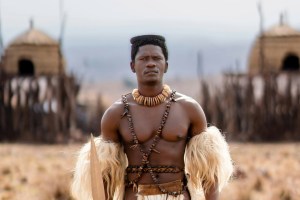
Though little is actually known about the 19th century Zulu king, Shaka has long been a fantastical figure in popular culture. The acclaimed TV series Shaka iLembe, however, gets a lot right – especially the language and culture.

Mixed with over a dozen African languages for over two centuries, spiced by imports from British, Dutch and Portuguese colonies, South African English has its own rich, varied and sometimes weird flavour.

It took one day for young South Africans to change the course of the country’s history. The day was 16 June 1976. Here is an hour-by-hour account of the 1976 Soweto students’ uprising.

The home language of most people in KwaZulu-Natal is, unsurprisingly, isiZulu. In the Eastern Cape it’s isiXhosa. Around half the people of the Western Cape and Northern Cape speak Afrikaans. In Gauteng and Mpumalanga, no single language dominates.
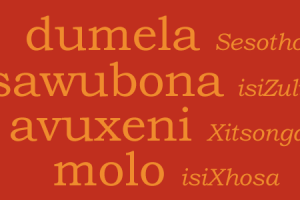
Each of South Africa’s 11 languages has a fascinating vocabulary, with some words and phrases influenced by other languages, and many unique to that language.
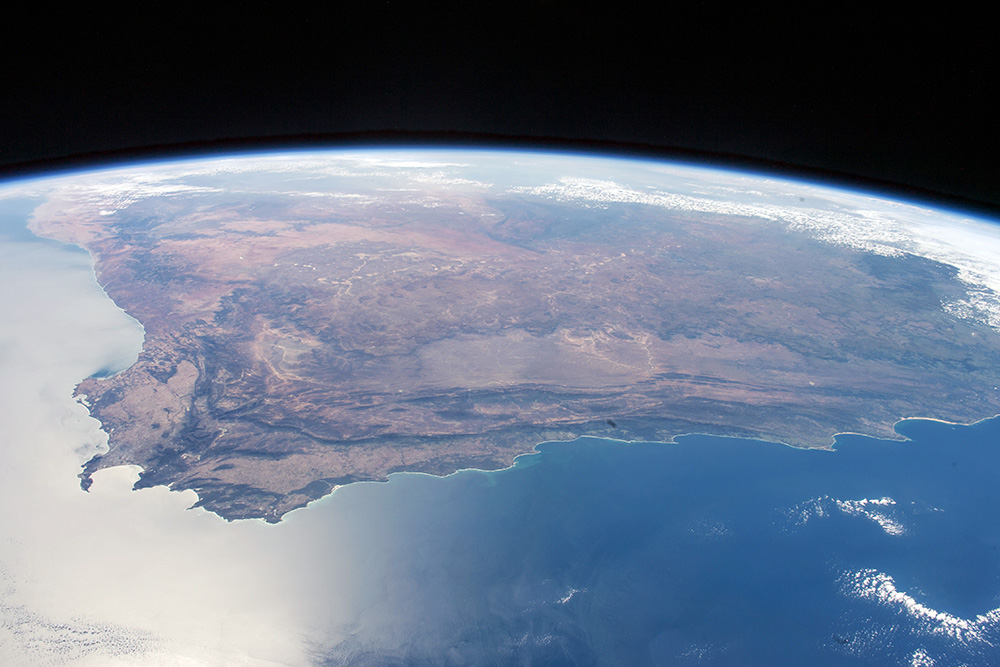
Key facts on South Africa’s currency, time, geography, population, languages, provinces, government and education.
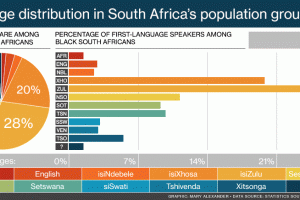
Nearly a third of black South Africans speak isiZulu as a first language, and 20% speak isiXhosa. Three-quarters of coloured people speak Afrikaans, and 86% of Indian South Africans speak English. Sixty percent of white people speak Afrikaans, and 30% speak English.


You must be logged in to post a comment.