

He’s been dismissed as the “sad man” of South African jazz, but the musicians who knew him remember Kippie Moeketsi as a brilliant player and stern mentor, fiercely defiant of his racist world.

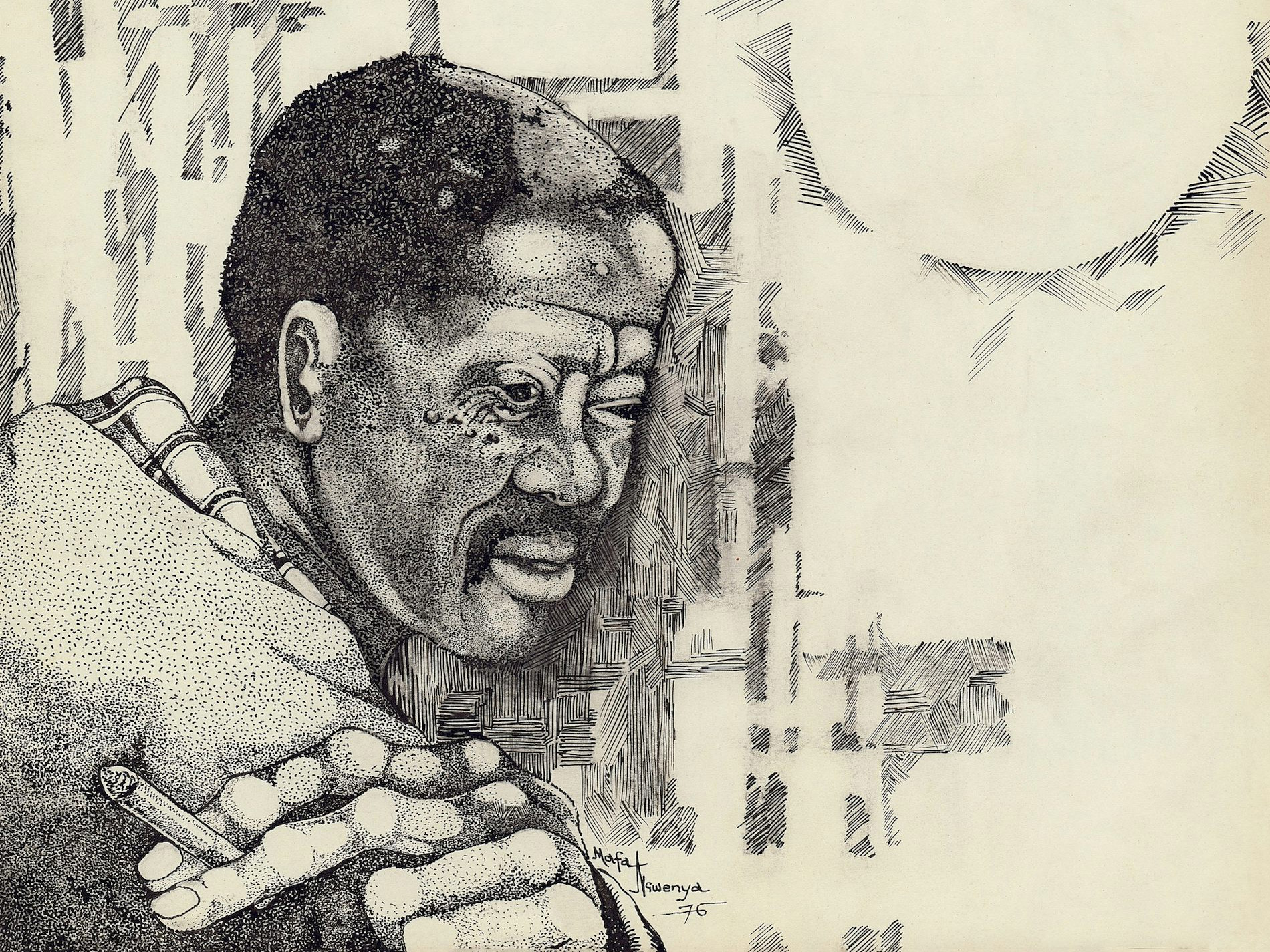
Detail of the cover of Kippie Moeketsi’s solo album Hard Top (1976), with artwork by Mafa Ngwenya. (Image courtesy of As-Shams Archive)
Gwen Ansell • 31 July 2025
It’s a century since the birth of reedman Jeremiah Morolong “Kippie” Moeketsi on 27 July 1925. He was one of the most influential saxophonists shaping South Africa’s modern jazz style.

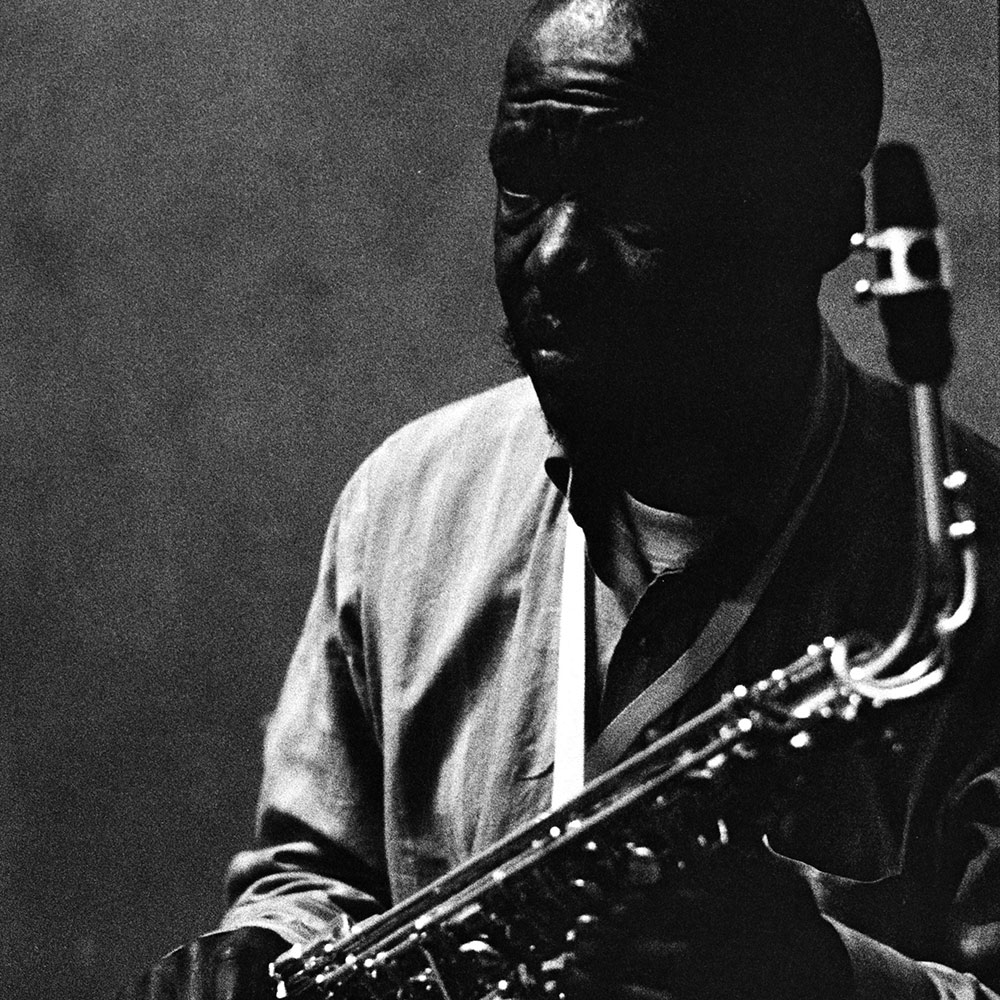
Kippie Moeketsi’s short-run recordings are now being reissued. (Image: Ian Bruce Huntley/Africa Media Online)
He died in poverty aged 57, in 1983, when black jazz in South Africa remained undervalued outside its community. His cultural legacy is only just coming into the light and there is still no definitive biography. As a researcher and commentator on South African jazz history, I’ve written about the biographical landmarks of his life.
A hundred years ago, South Africa was a British-ruled colonial state. Many of the race-based socioeconomic inequalities, and prejudices against and restrictions on the free movement of people of colour, were already in place.
It was apartheid, imposed by the Afrikaner-dominated National Party in 1948, that formalised them into a punitive legal framework. This was just as just as Moeketsi was beginning his career as a freelance musician.
Many of Moeketsi’s recordings, as was usual for black jazz at the time, were published only in short-run releases. But thanks to a wave of reissues from independent labels – the most recent, Hard Top from As-Shams this year – it is newly accessible.
The playing will knock your socks off.
Reedmen I’ve talked to say they can still hear the clarinet – his first instrument – in his sax sound: fluid, gravity-defying runs, mastery of space and dynamics, and plaintive, soul-stirring sustains – one of the characteristics that gives him a unique voice.
A musical family
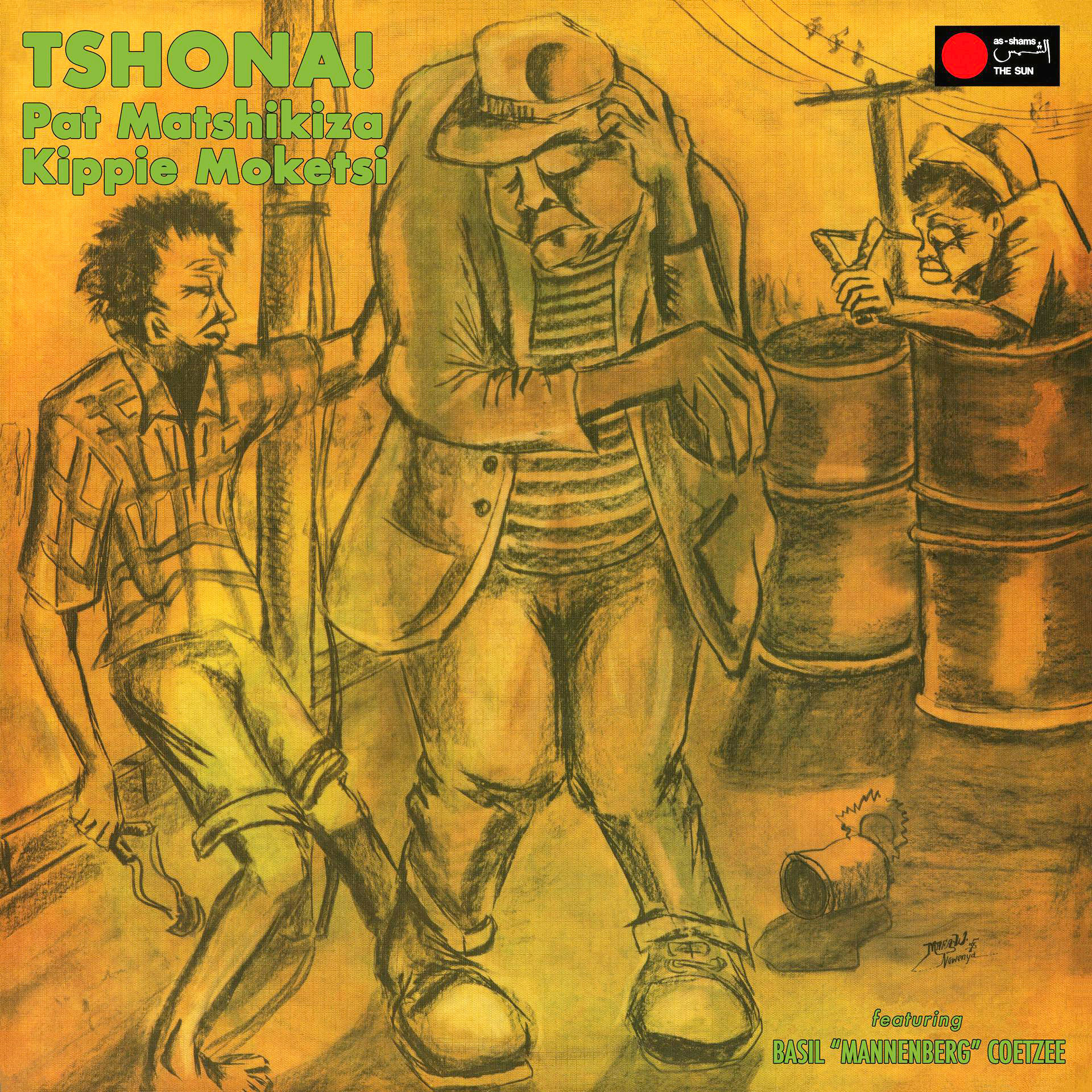
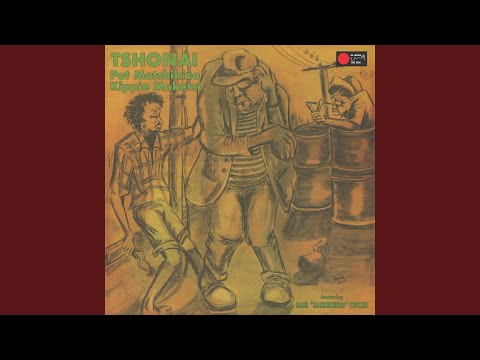
Tshona! by Pat Matshikiza and Kippie Moketsi was reissued in 2022, nearly half a century after its 1975 release. (Image courtesy of As-Shams Archive)
Although his exact birthplace in Johannesburg isn’t recorded, when he was a child Moeketsi’s family settled in George Goch location, a rundown “African township” in the era before Soweto was established. He was the youngest of a musical family: his father, a municipal clerk, was also a church organist, his mother sang, and all four of his older brothers played an instrument.
Unlike his studious brothers, school bored Moeketsi. He would regularly truant, caddying for local golfers and getting up to all kinds of minor mischief. His mother, determined to return him to class, hunted among the mine dumps, calling “kippie, kippie, kippie” to locate her wayward chick. The nickname stuck.
Moeketsi left after junior school and did a variety of casual jobs: cleaner, delivery boy and others. His brother Lapis had gifted him a clarinet; on that he discovered how much music fascinated him. He had occasional lessons from his brothers Jacob — who had played piano for the pioneering Jazz Maniacs — and Andrew, both of whom played classical music and jazz.
But there were plenty of music books in the Moeketsi home and from those he mainly taught himself, after finishing his boring day jobs. Sometimes he would practice through the night, provoking angry complaints from neighbours. He learned to read music, and switched from clarinet to saxophone.
“Once you know a clarinet,” he said, “the saxophone is a boy.”
Recordings: from Clarinet Kwela to King Kong
Not much of Moeketsi’s early clarinet playing is currently available. There’s the 1958 Clarinet Kwela with the Marabi Kings, which demonstrates his interesting ideas about ornament and timing, even on an opportunistic pop single. And then there’s the heartbreaking Sad Times, Bad Times from the recording of the 1959 all-black jazz opera King Kong, filled with dark foreboding up to its wailing, beautifully sustained final note.
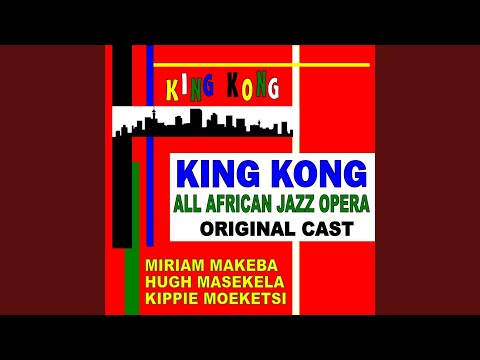
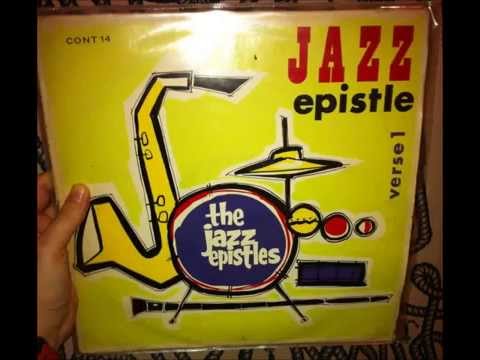
Moeketsi recorded prolifically in the fifties, with big-name local bands such as the Harlem Swingsters, the Jazz Maniacs and the Jazz Dazzlers, leading various small groups of his own, playing support for the likes of Manhattan Brothers, Dolly Rathebe and Dorothy Masuka and in multiple formations from trio to septet with the band name Shanty Town. He featured on visiting US pianist John Mehegan’s two Jazz in Africa albums and as part of the legendary Jazz Epistles Verse One.

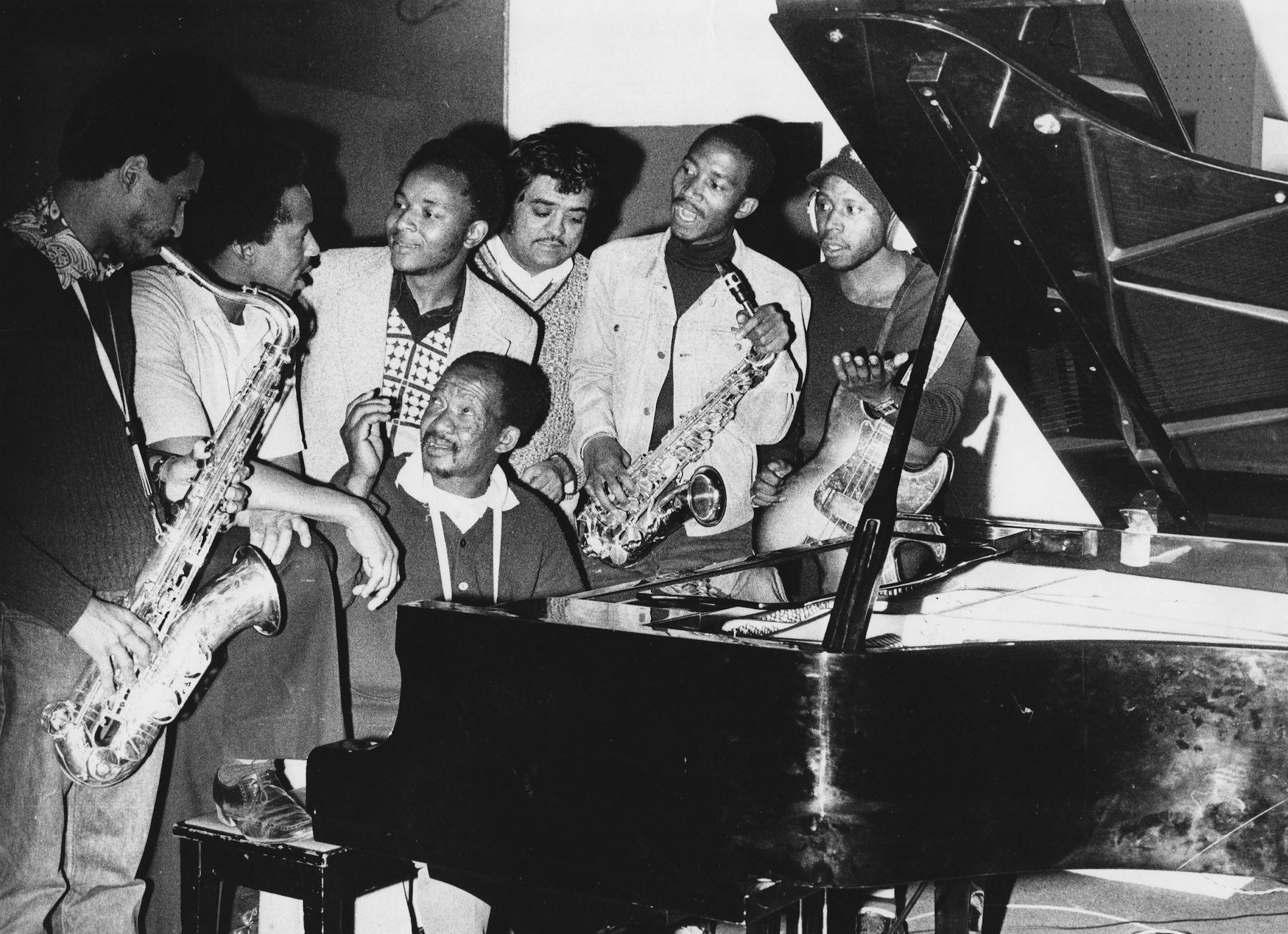
Kippie Moeketsi at piano with, from left, musicians Basil Coetzee, Pat Matshikiza, Selby Ntuli, producer Rashid Vally, Sipho Mabuse and Alec Khaoli. (Image courtesy As-Shams Archive)
Tragedy in London
In 1961 King Kong secured a short London run. For many cast members such as Hugh Masekela this provided the opportunity to escape into exile. Moeketsi was also part of the cast, but what happened to him in London is more tragic.
He’d been mugged and beaten during a Johannesburg robbery, which delayed his arrival in London, and was still taking medication (probably for concussion) when he arrived. Fellow cast members remember him disagreeing violently with the London producer about changes to the score and arrangements and what he considered exploitative treatment of musicians.
There was heavy drinking behind the scenes and, despite his medication, Moeketsi joined in. Eventually, theatre management had him committed to a psychiatric hospital where he was given electroconvulsive therapy, or ECT.
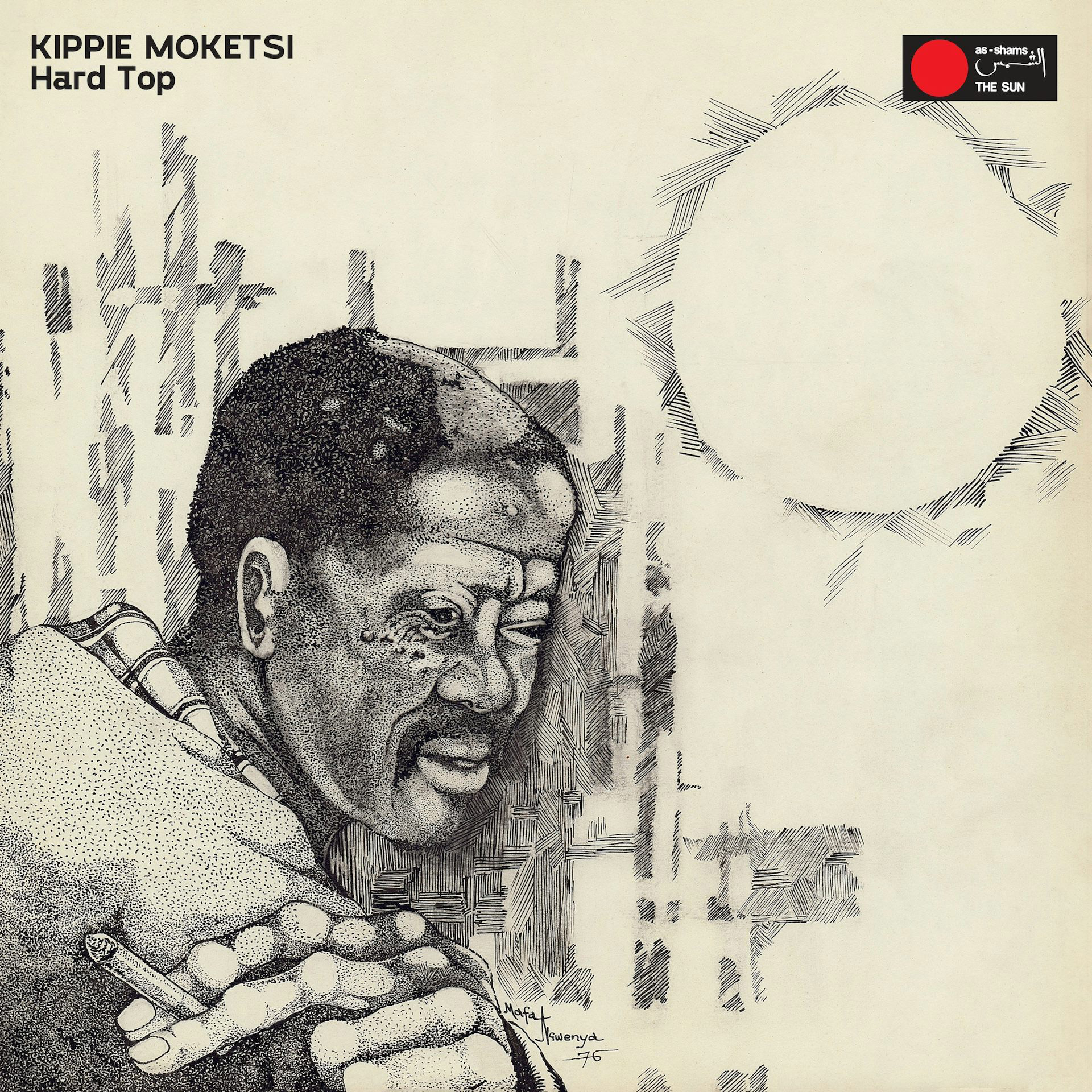
The 2025 rerelease of Hard Top. (Image courtesy of As-Shams Archive)
The British doctors believed his obsession with music was unbalancing him. They’d never seen creative Africans trying to survive under apartheid. Every black musician of that era I’ve interviewed names music-making as the only thing keeping them sane; it was life offstage (plus too often getting paid in alcohol) that was maddening.
The ECT left a lifelong legacy of intermittent depression, crippling brain fog and memory lapses.
Back in South Africa, when many of his peers were settling down and reining in the habits of their shared wild youth, those frustrations drove Moeketsi to drink harder. He continued to play, but the depression dogged him. Eventually, after customs officers confiscated his sax following a gig in then-Rhodesia, and he couldn’t afford to replace it, he stopped playing altogether for a while.
Artist and rebel – not ‘sad man of jazz’
These frustrations were the origin of Moeketsi’s soubriquet “sad man of jazz”. But, like much written about the jazz life of black musicians, it embodies a pervasive racist stereotype that both exoticises and diminishes the truth about creative black musicianship.
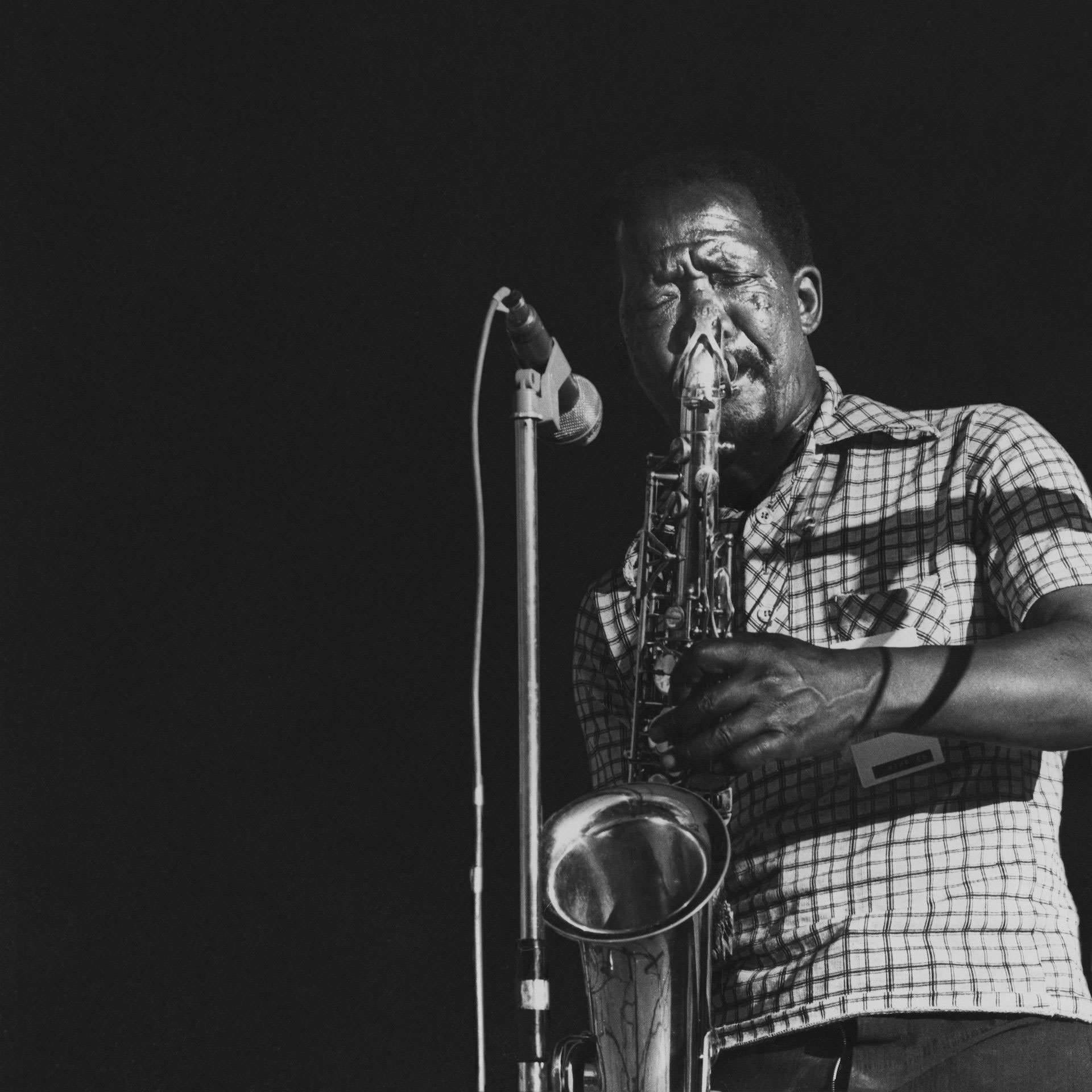
Photos of Moeketsi on the stand show an artist caught in the intensity of making music. (Image courtesy of As-Shams Archive)
Moeketsi was no unschooled, mad, untameable “natural” genius sprung from squalor. He came from a home filled with music books. He studied and practiced devotedly to master his craft. His irresponsible youth had been no different from many of his peers’. It was having been, in his words, “made stupid” by ECT that fuelled his subsequent despair and alcoholism.
That, plus the chilling frustrations of daring to be an artist and rebel under apartheid.
Fans know the story of Scullery Department, his composition protesting that black musicians were good enough to entertain white club patrons, but not to eat in the same room. Less well-known is that at the venue provoking that anger, Moeketsi declared the band would strike unless the manager served them at a club dining table. They were the top jazz outfit of their time, and the manager eventually gave in, apartheid rules or not.
Look at photos of Moeketsi on the stand, caught in the intensity of making music: he was by no means always sad.
Dismissing the caricature
South African musicians I have interviewed all dismissed the caricature of a sad and occasionally mean drunk as irrelevant to the Moeketsi they’d known. They remembered him as a proud nationalist, a brilliant player, and a stern but empathetic mentor.
Bassist Victor Ntoni recalled:
He defied all the rules of apartheid, because he was a son of the soil.
Singer Sophie Mngcina:
Wherever he played, he was a wonder to listen to.
Vocalist Thandi Klaasen:
He was my brother. He taught me … he was really concerned for me to do my best.
And pianist Pat Matshikiza:
He was a perfectionist … you had to learn at a high level working with him.
And from 1971, when he got a new instrument, Moeketsi played triumphantly and beautifully again for another seven years, as a peer of the country’s other jazz legends, including Dollar Brand (later Abdullah Ibrahim, whom Moeketsi had mentored), Allen Kwela, Dennis Mpale, Matshikiza, Mike Makhalemele and visiting US star Hal Singer.
Rest in power and music, Morolong. I hope your prayer for a better world has been answered.
Gwen Ansell is an associate of the Gordon Institute for Business Science at the University of Pretoria.
This article was originally published by The Conversation on 28 July 2025 under a Creative Commons licence.